
Tag: Blog Post
-

We’ll Meet Again: Bomb Damage – Destruction
As part of the exhibition We’ll Meet Again: Islington on the Home Front in Photographs 1939-45, we look at the significant bomb damage suffered in Islington and Finsbury. The Second World War turned the home front into the battlefront. On 7 September 1940, Dornier and Heinkel bombers, escorted by Messerschmidt…
-
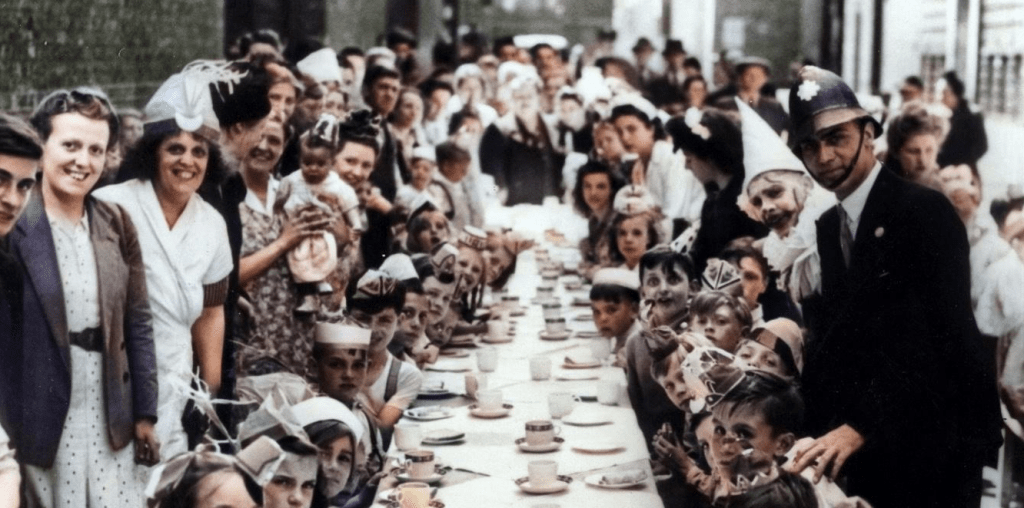
Revelry and jubilation, bonfires, squibs and brass bands: VE-Day celebrations in Islington and Finsbury 1945
“After days of suspense the news was announced that on Monday afternoon [7 May 1945] the German Government had capitulated. War in Europe was over”, so announced the North London Press. The following day, Tuesday 8 May 1945, became known as VE-Day (Victory in Europe Day), with Winston’s Churchill famous…
-
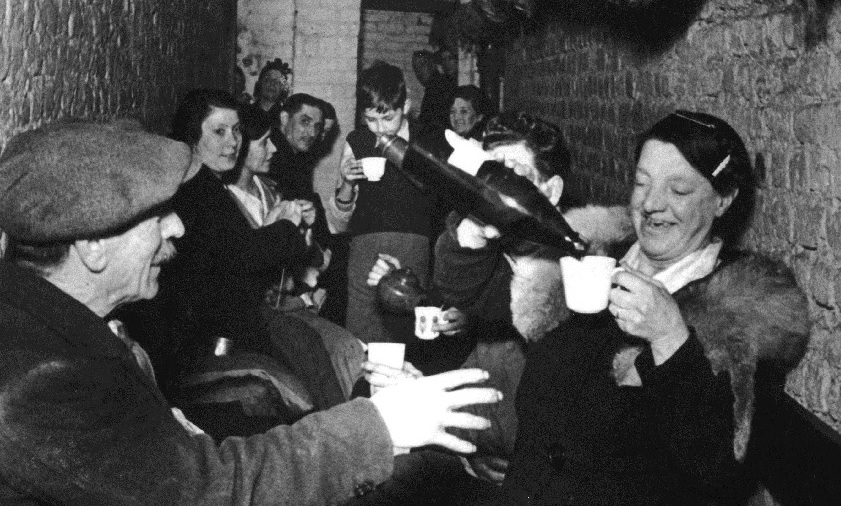
We’ll Meet Again: Shelters
Preparations for air bombardment began prior to the Second World War, with the British government providing air-raid shelters to families for free or for a small fee, depending on their income. Over the course of the war, shelters would take a number of forms and provide security for the people…
-
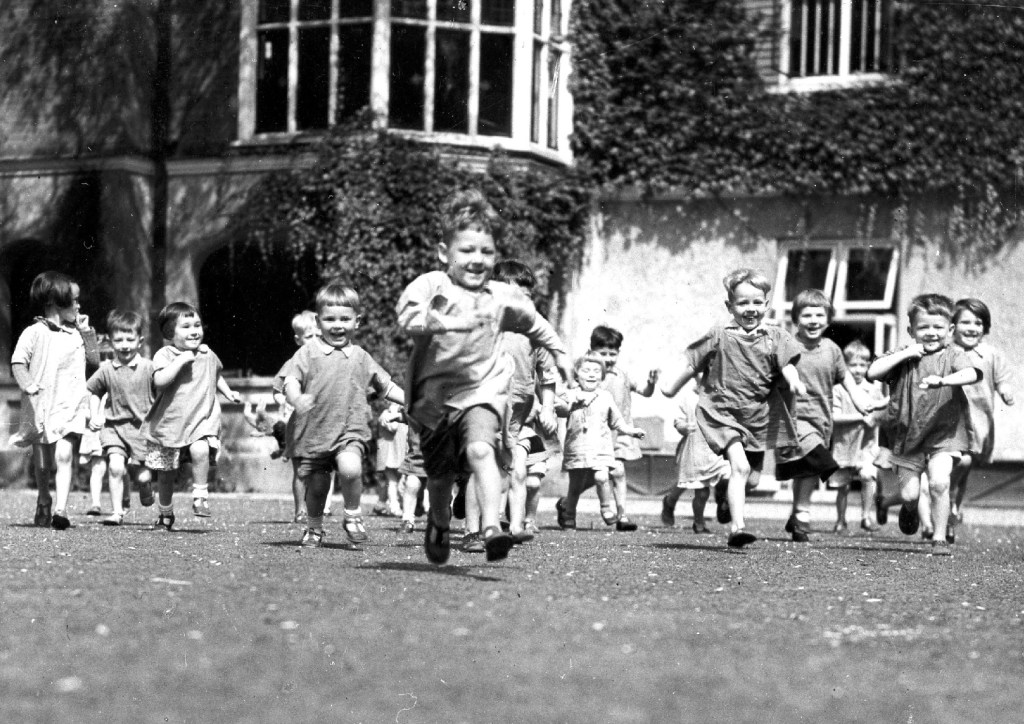
We’ll Meet Again: Evacuations
As part of the exhibition We’ll Meet Again: Islington on the Home Front in Photographs (1939-45), we look at those who were evacuated from Islington to rural locations during this time. Throughout the Second World War, many of London’s children were evacuated to country towns, such as Cambridge, Kettering, Sheringham…
-
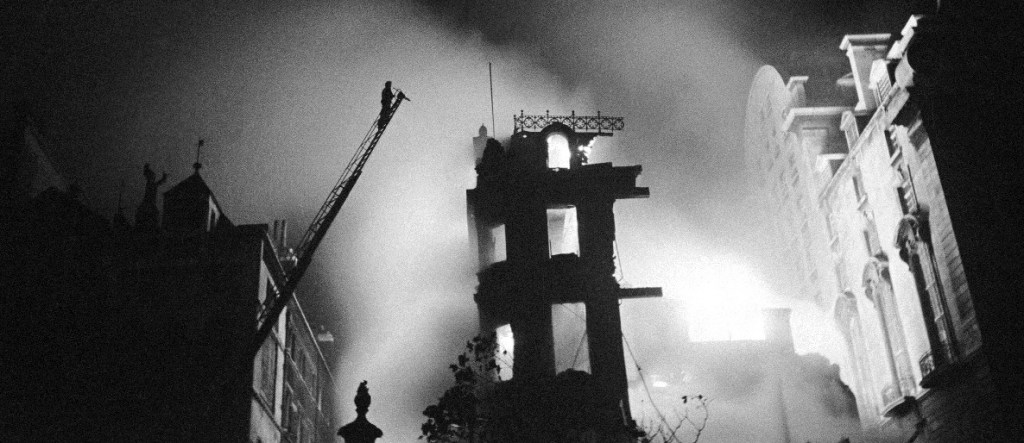
Finsbury Under Attack (1939-45)
Like many parts of inner London, Finsbury suffered badly from bombings during the Blitz (1940-41) and, again later, as part of the V1 and V2 rocket attacks on the capital from the summer of 1944 onwards. Citizens lived with the threat of bombing, invasion and untimely death. However, in spite…
-
Away from the Western Front: 1st – 31st July 1918
Return to the Suez Canal EEF divisions followed the standard Army pattern of being rotated through periods of front-line duty, rest -which could include the much resented road building -and training. When the 1/11 London Finsbury Rifles moved out of the front line at the end of June they were…
-
Away from the Western Front 1st – 30th June 1918
The EEF’s strong training system had been a key part of its success under General Allenby. The Imperial School of Instruction at Zeitoun in Cairo ran two types of courses: technical courses for battalion specialists such as Lewis gunners and leadership & battlefield skills for junior officers & NCOs. After…
-
Away from the Western Front: 1st -31st May 1918
The EEF spent much of the summer of 1918 training the troops who had arrived from India to replace those sent to the Western Front. Although the 54th (East Anglian) Division stayed in Palestine,there were skills to be maintained and new techniques to be learned. The battalion padre, Captain the Rev…
-
Away from the Western Front: 1st – 30th April, 1918.
Training, road-building and enemy fire… In March 1918 the Germans launched a major offensive in France and Flanders. This had an immediate effect on the Southern Palestine campaign . The War Office ordered General Allenby to send 2 infantry divisions to France as soon as possible although they acknowledged this would ‘entail…
-
Away from the Western Front : 13th-31st March, 1918
Prince Arthur, Duke of Connaught reviews the troops Prince Arthur, Duke of Connaught toured bases of the EEF in Egypt and Southern Palestine during March 1918. A career soldier for over 40 years, the Duke’s visit was calculated to raise morale amongst all the troops . L/Cpl Jock Christie should have…
 Friends of Islington Museum