
Tag: We’ll Meet Again
-
We’ll Meet Again: VE-Day Celebrations
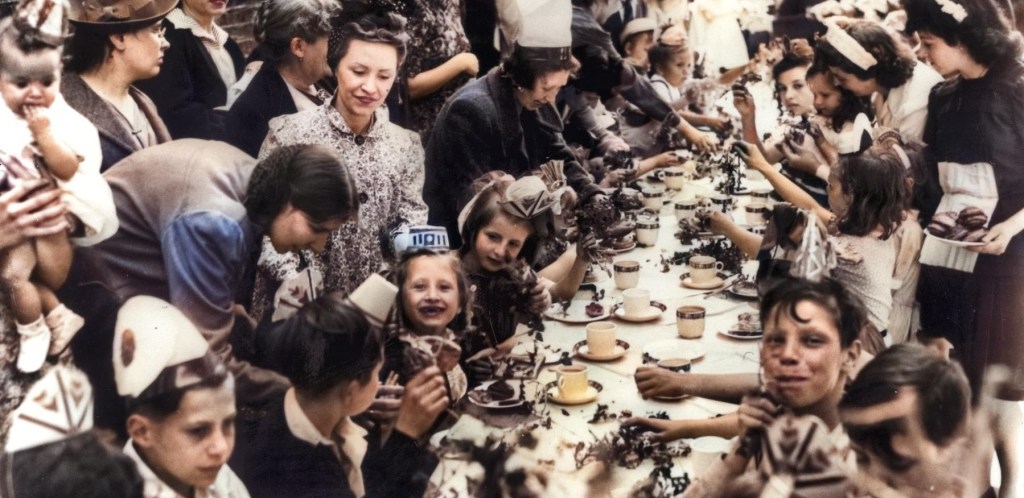
As the final installment of the exhibition We’ll Meet Again: Islington on the Home Front in Photographs 1939-45, we look at how the people of Islington and Finsbury celebrated Victory in Europe Day, or ‘VE-Day’ in May 1945. Monday 7 May 1945 marked a joyous occasion – the formal surrender…
-
Researching We’ll Meet Again: a volunteer’s experience
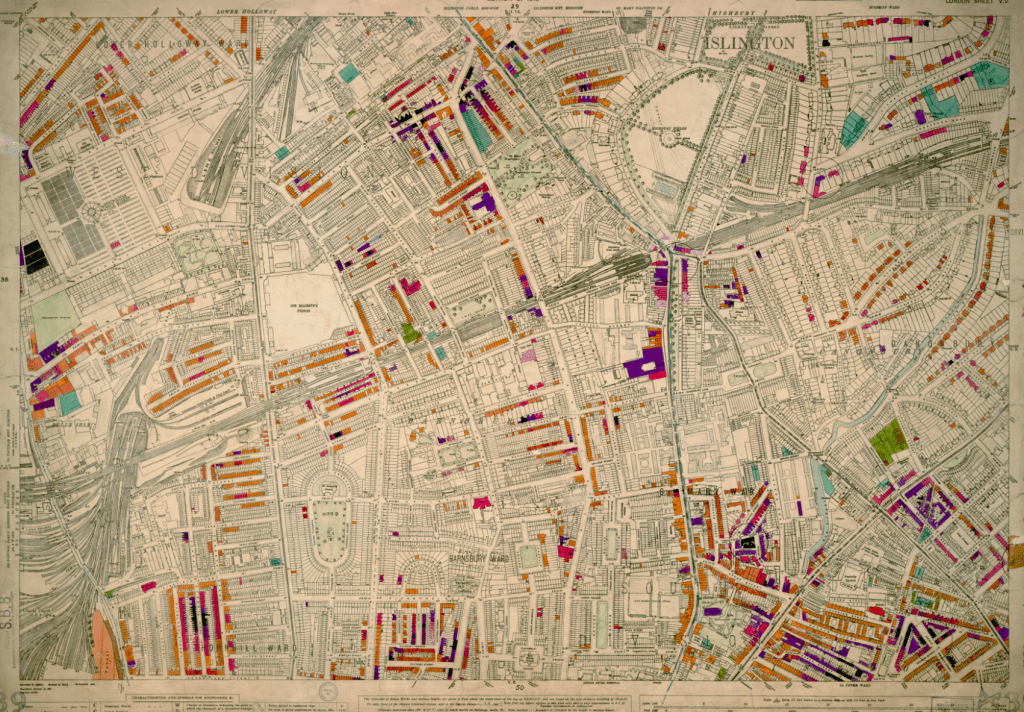
At Islington Museum we are lucky to have a dedicated team of volunteers that share their skills and expertise with us regularly. These volunteers assist us with a huge range of activities on a daily basis, from customer service, to collections work, educational assistance and research. A recent addition to…
-
The German Destroyer in Finsbury
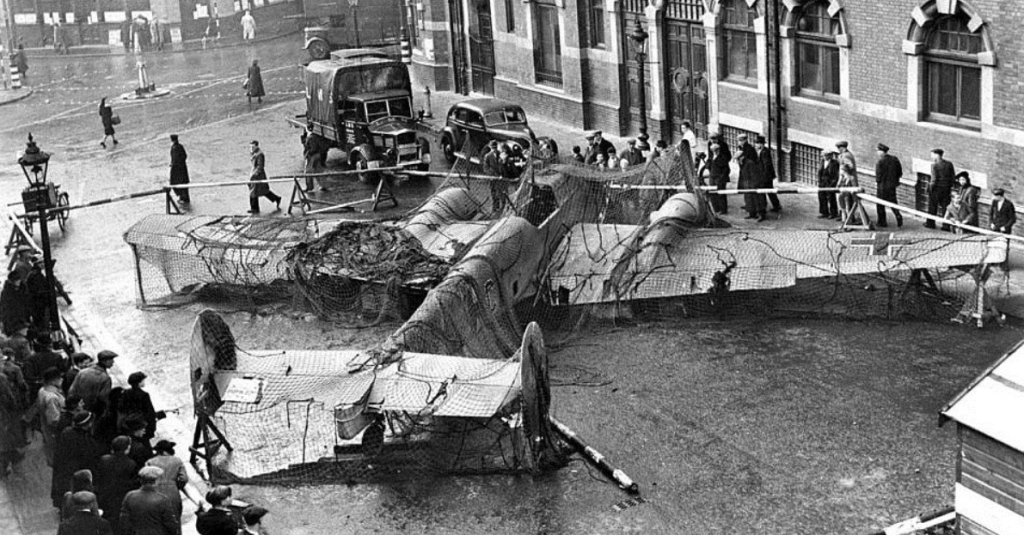
The captured Messerschmitt Bf 110, pictured above on display outside Finsbury Town Hall, Garnault Place in October 1940, became the most photographed Luftwaffe plane of WW2. The aircraft was a twin-engined heavy fighter or ‘Zerstörer’ (‘Destroyer’ in English) flown by the Luftwaffe and some other nations during WW2. It was…
-
We’ll Meet Again: Bomb Damage – Islington in Action
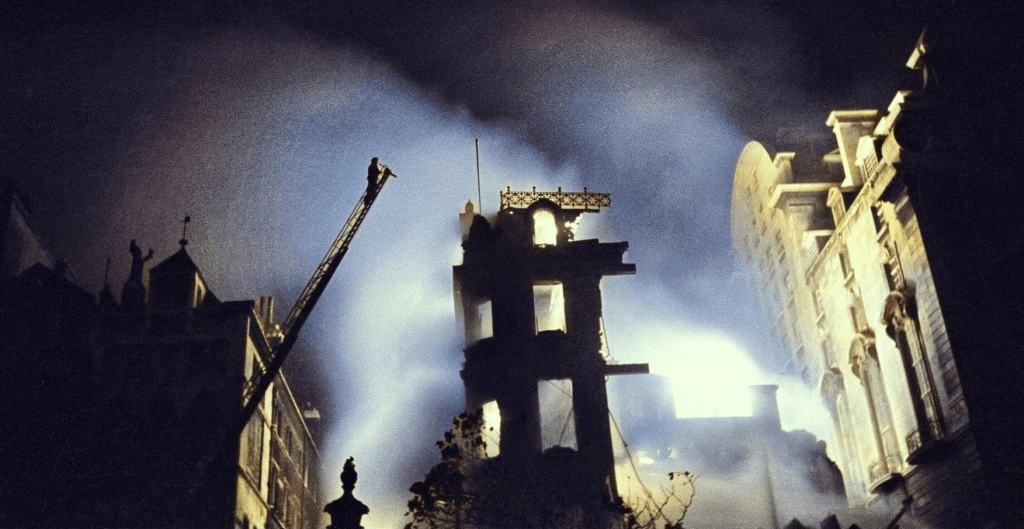
As part of the exhibition We’ll Meet Again: Islington on the Home Front in Photographs (1939-45), we delve deeper into the significant bomb damage suffered in Islington and Finsbury. Britain began preparing for the devastation of war on the home front well before the Second World War began. With the…
-

We’ll Meet Again: Bomb Damage – Destruction
As part of the exhibition We’ll Meet Again: Islington on the Home Front in Photographs 1939-45, we look at the significant bomb damage suffered in Islington and Finsbury. The Second World War turned the home front into the battlefront. On 7 September 1940, Dornier and Heinkel bombers, escorted by Messerschmidt…
-
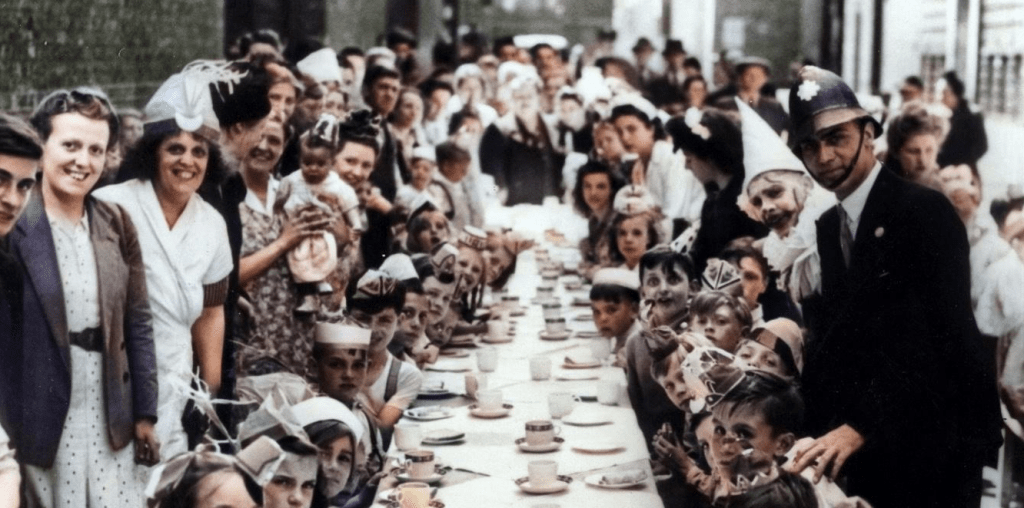
Revelry and jubilation, bonfires, squibs and brass bands: VE-Day celebrations in Islington and Finsbury 1945
“After days of suspense the news was announced that on Monday afternoon [7 May 1945] the German Government had capitulated. War in Europe was over”, so announced the North London Press. The following day, Tuesday 8 May 1945, became known as VE-Day (Victory in Europe Day), with Winston’s Churchill famous…
-
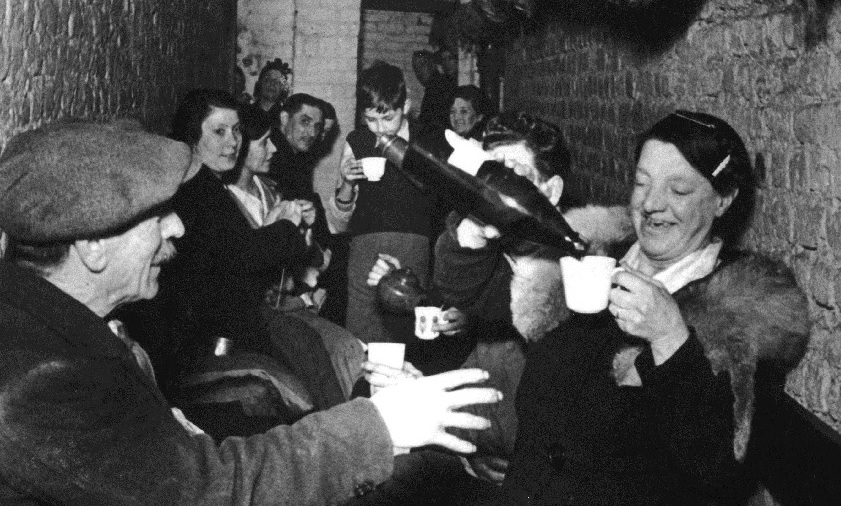
We’ll Meet Again: Shelters
Preparations for air bombardment began prior to the Second World War, with the British government providing air-raid shelters to families for free or for a small fee, depending on their income. Over the course of the war, shelters would take a number of forms and provide security for the people…
-
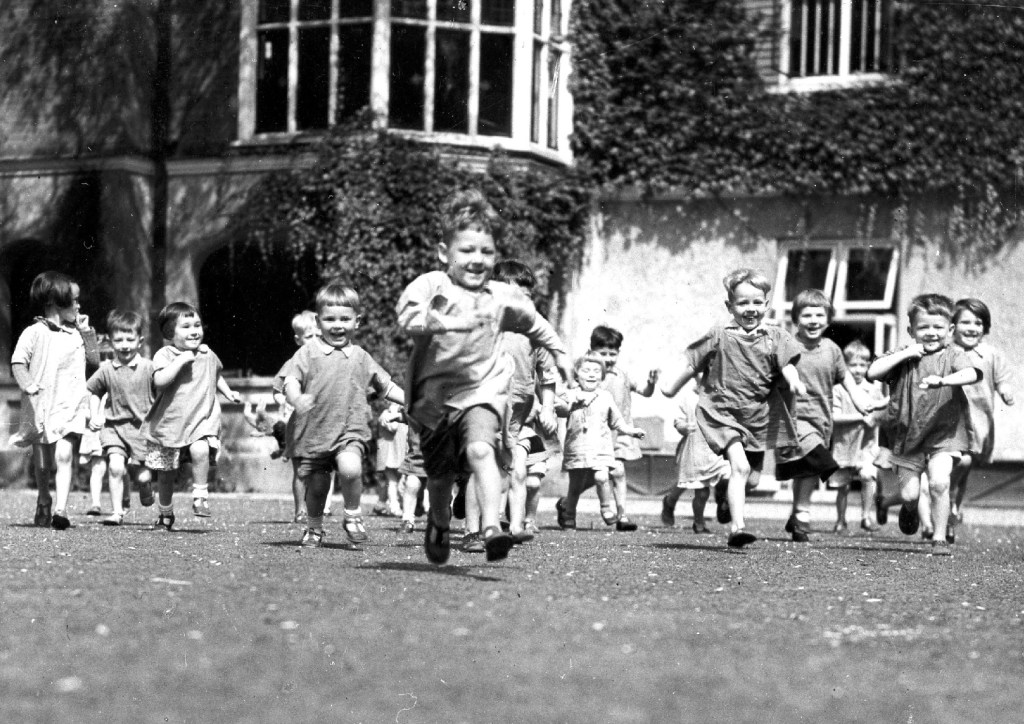
We’ll Meet Again: Evacuations
As part of the exhibition We’ll Meet Again: Islington on the Home Front in Photographs (1939-45), we look at those who were evacuated from Islington to rural locations during this time. Throughout the Second World War, many of London’s children were evacuated to country towns, such as Cambridge, Kettering, Sheringham…
-
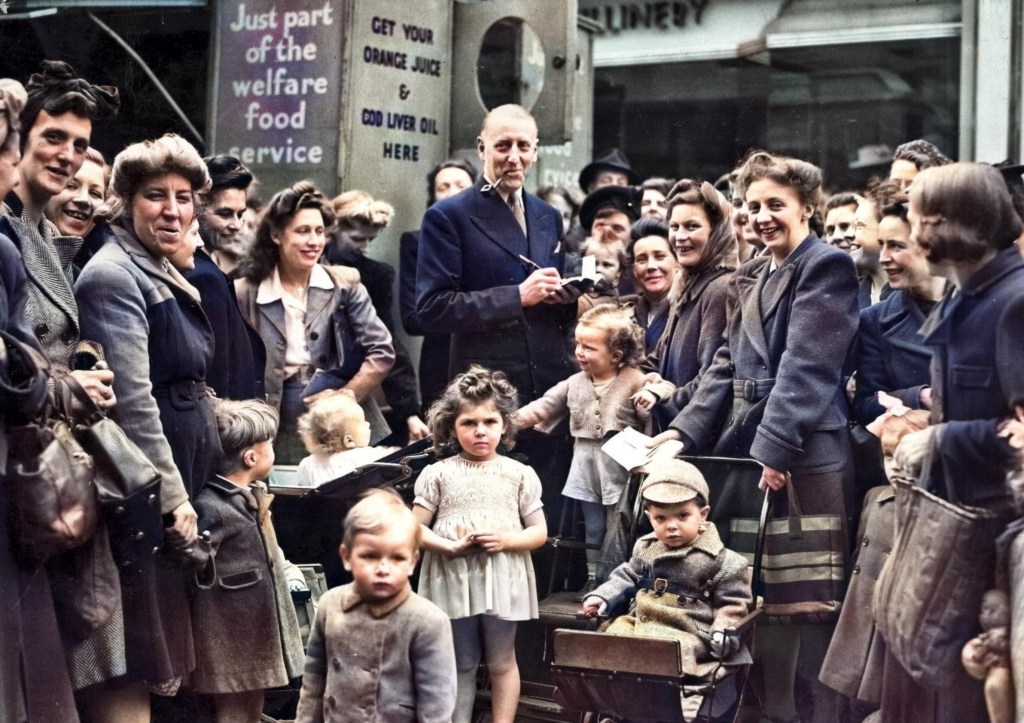
We’ll Meet Again: Islington on the Home Front in Photographs (1939-45)
Islington Museum is delighted to present the photographic exhibition, We’ll Meet Again: Islington on the Home Front in Photographs (1939-45). Over the coming months, we will be sharing a series of captivating images of the people and places in Islington and Finsbury during the Second World War; shedding light on…
-
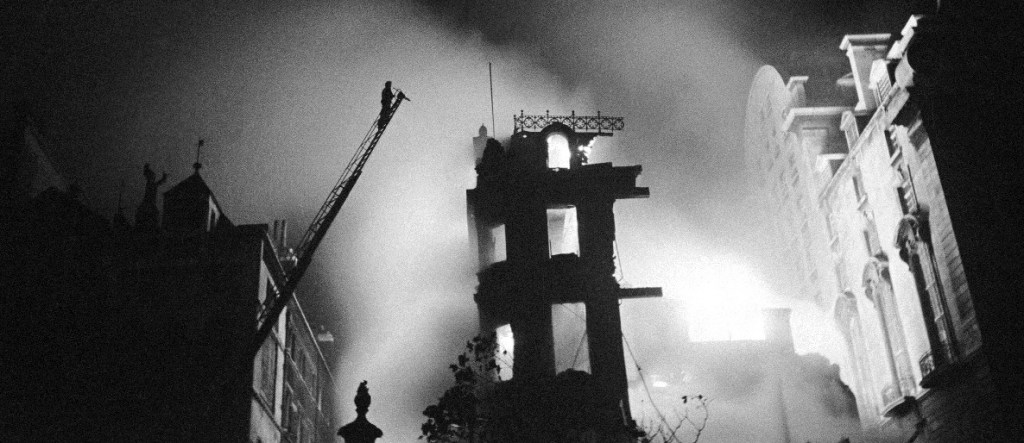
Finsbury Under Attack (1939-45)
Like many parts of inner London, Finsbury suffered badly from bombings during the Blitz (1940-41) and, again later, as part of the V1 and V2 rocket attacks on the capital from the summer of 1944 onwards. Citizens lived with the threat of bombing, invasion and untimely death. However, in spite…
 Friends of Islington Museum