
Author: friendsofislingtonmuseum
-

The Keskidee Centre
Islington as a Place of Refuge – Tour Stop 2 Significance: first dedicated arts centre in Britain for the Afro-Carribean community The Keskidee Centre was envisioned by Oscar Abrams, a Guyanese architect and cultural activist, in the 1970’s. A centre providing educational, social and cultural activities for a disadvantaged and primarily West…
-

Caledonian Park
Islington as a Place of Refuge – Tour Stop 1 Significance: Location of rally for Hungarian revolutionary Lajos Kossuth By 1848, a storm of discontent swept through European states, culminating in a series of republican revolts against monarchies. Beginning in Sicily, most of Europe tried, and failed, to implement a…
-

Paradise Park Children’s Centre
Islington as a Place of Refuge – Tour Stop 5 Significance: Location of Britain’s first female Somali Mayor’s Councillor Surgery Paradise Park Children’s Centre is an important stop in Islington’s refugee and migrant history for its links with a key member of Islington’s Somali Community, Councillor Rakhia Ismail. Since 2014,…
-
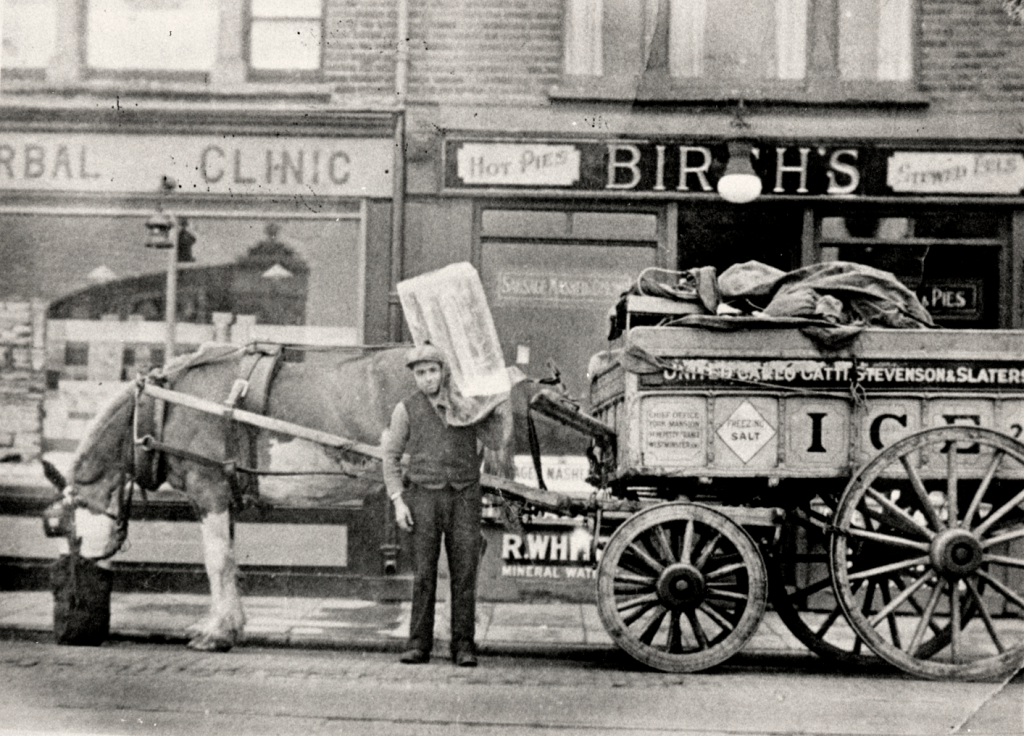
Carlo Gatti’s Ice Well Plaque
Islington as a Place of Refuge – Tour Stop 3 Significance: Location of Swiss-Italian entrepreneur Gatti’s ice well Italians have been settling in London for centuries, with a great many settling in Islington. Carlo Gatti left his Swiss-Italian home town in 1847 to go on to become a successful entrepreneur…
-
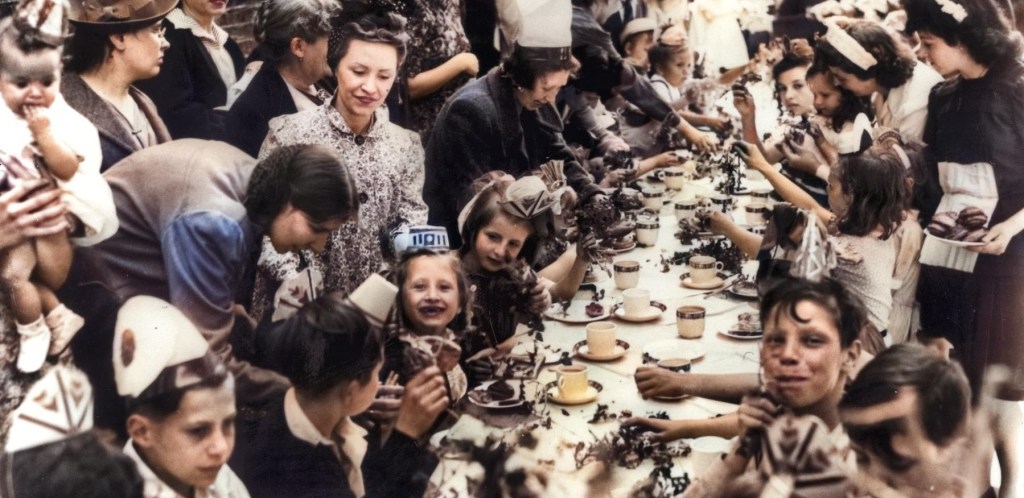
We’ll Meet Again: VE-Day Celebrations
As the final installment of the exhibition We’ll Meet Again: Islington on the Home Front in Photographs 1939-45, we look at how the people of Islington and Finsbury celebrated Victory in Europe Day, or ‘VE-Day’ in May 1945. Monday 7 May 1945 marked a joyous occasion – the formal surrender…
-
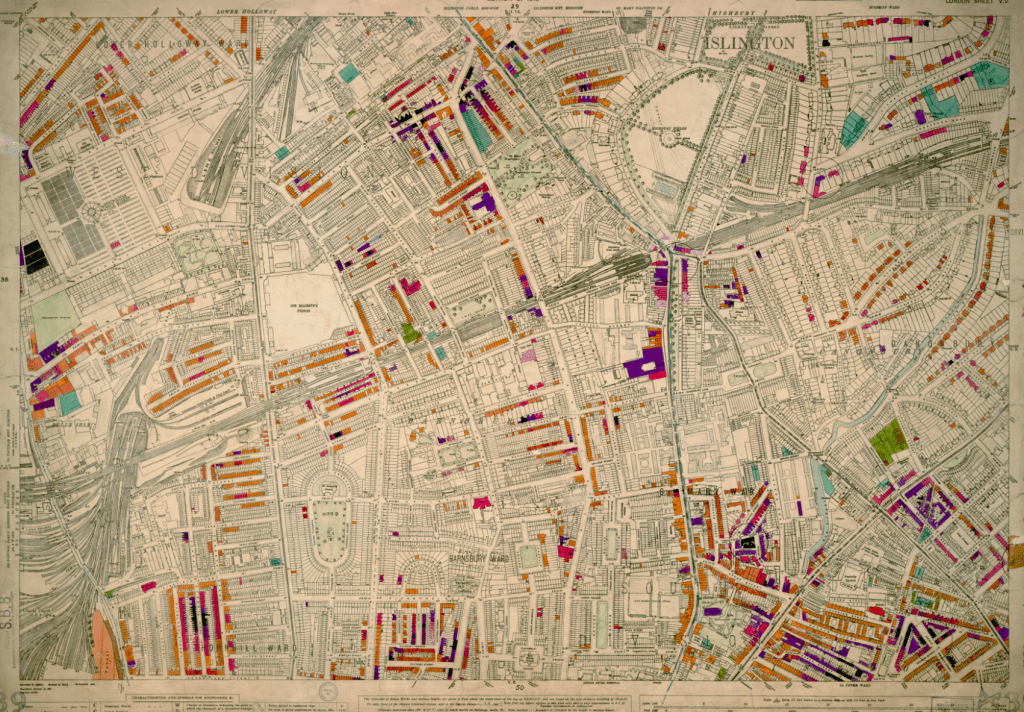
Researching We’ll Meet Again: a volunteer’s experience
At Islington Museum we are lucky to have a dedicated team of volunteers that share their skills and expertise with us regularly. These volunteers assist us with a huge range of activities on a daily basis, from customer service, to collections work, educational assistance and research. A recent addition to…
-
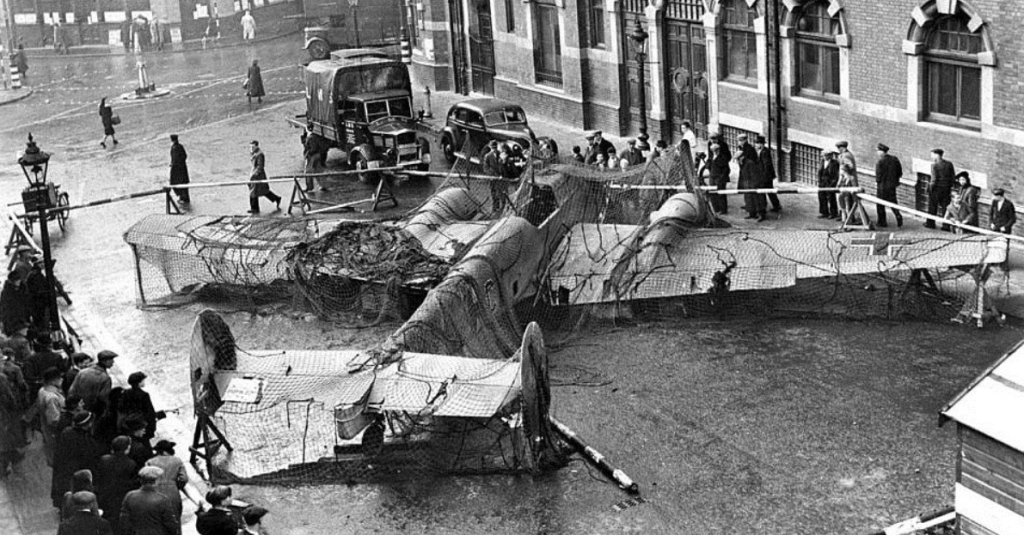
The German Destroyer in Finsbury
The captured Messerschmitt Bf 110, pictured above on display outside Finsbury Town Hall, Garnault Place in October 1940, became the most photographed Luftwaffe plane of WW2. The aircraft was a twin-engined heavy fighter or ‘Zerstörer’ (‘Destroyer’ in English) flown by the Luftwaffe and some other nations during WW2. It was…
-
We’ll Meet Again: Carry On!
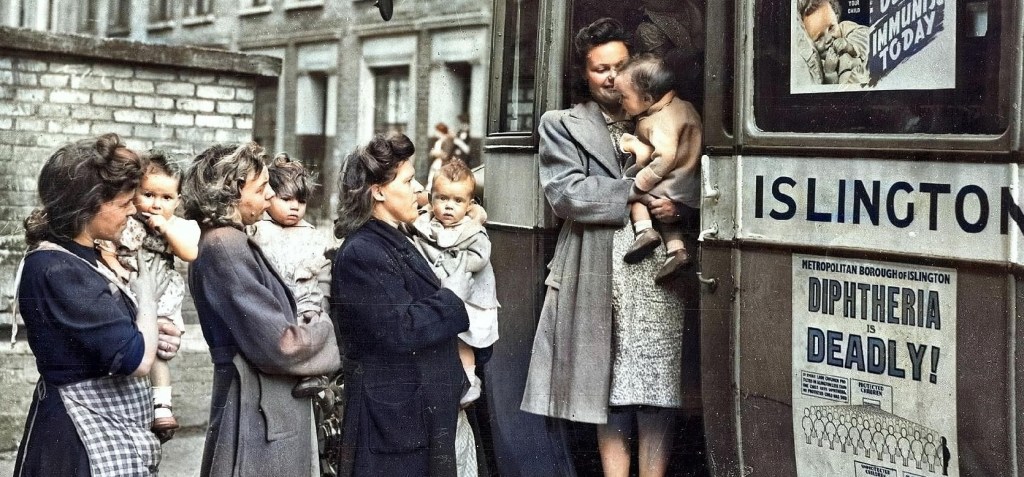
As part of the exhibition We’ll Meet Again: Islington on the Home Front in Photographs 1939-45, we delve further into life on the Home Front for the people of Islington and Finsbury during the Second World War. Whilst the people of Britain had to adapt to new ways of living…
-
Each bob you pay keeps the bomber away: The Islington Spitfire
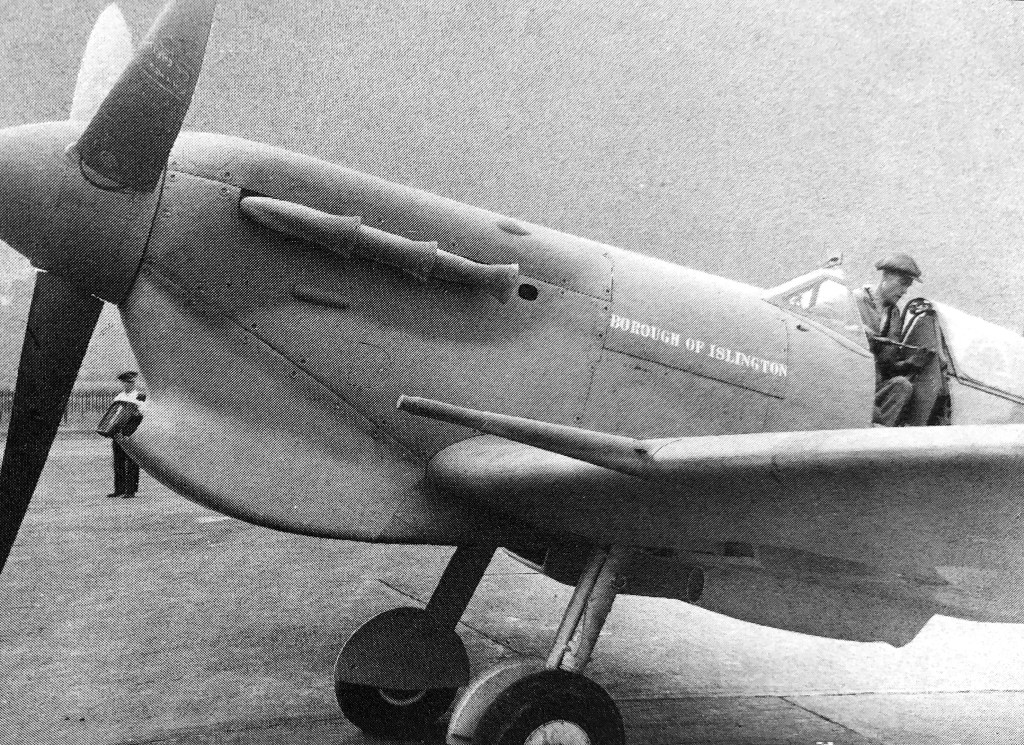
Lord Beaverbrook, the Anglo-Canadian media tycoon Max Aitken, came into the British Government in early 1940 to help speed up aircraft production. He was an advocate of public appeals to raise funds for things like raw materials and also encouraged the public to shop thriftily to help the war effort.…
-
We’ll Meet Again: Home Front Preparations
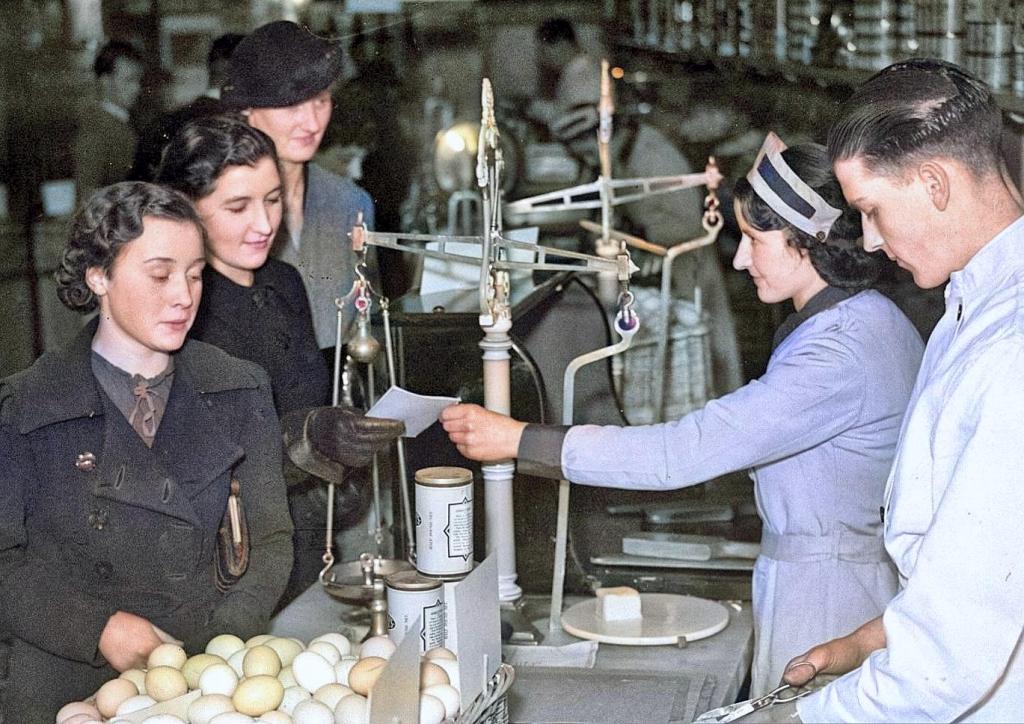
As part of the exhibition We’ll Meet Again: Islington on the Home Front in Photographs 1939-45, we look at how the people of Islington and Finsbury prepared the Home Front for the Second World War. The people of Britain endured the Second World War in an overwhelmingly stoical manner. The…
 Friends of Islington Museum